
Public speaking is not just about standing on a stage and reciting words; it is a fundamental pillar of child development. When a child learns to structure an argument, modulate their voice, and command a room, they are building core confidence that impacts their academic career and future professional success. However, for most parents and educators, the first major hurdle is not presentation practice itself—it is choosing the right speech topic.
What Are Good Speech Topics for Kids?
What makes a truly good speech topic for kids? A good speech topic is one where a child has a genuine personal connection or curiosity, can explain the core idea in their own everyday vocabulary without struggling, and has room to tell a short personal story. Rather than choosing an overly broad academic topic (like 'Macroeconomics and Global Climate Governance'), the best speech topics for kids are specific, relatable, and emotionally grounded—such as 'Why We Should Protect the Trees in Our Neighborhood Park' or 'If I Could Invent One New School Rule.'
Select a topic that is too complex, and the student will struggle to memorize their text, leading to severe stage anxiety. Select a topic that is too generic (like "My Favorite Color"), and they will fail to engage their classroom audience or impress speech competition judges. The sweet spot lies in selecting easy speech topics for students that match their cognitive development framework, allowing them to inject personal stories and emotional conviction.
Victory Fluent Forum Mentor Insight
"A speech topic should never feel like a dry textbook assignment. The most competitive speakers are children who choose easy, narrative-driven topics where they can share authentic experiences. Empathy and storytelling beat memorized statistics every single time." — Simran Bagwan, Lead Academic Mentor at Victory Fluent Forum
Speech Development Framework by Age Group
Before exploring our database of topics, it is crucial to understand how a child's speaking capability evolves across school learning stages. The table below highlights the relationship between grade, age, typical attention span, and ideal topic structure:
| Grade Level | Ideal Age Range | Focus Structure | Delivery Duration |
|---|---|---|---|
| Grades 1–3 (Lower Primary) | 6–8 Years | Sensory & Imagination (Simple Narrative) | 1 to 2 Minutes |
| Grades 4–5 (Upper Primary) | 9–10 Years | Logical Reasoning & Cause-Effect | 2 to 3 Minutes |
| Grades 6–8 (Middle School) | 11–13 Years | Persuasive Arguments (PREP Model) | 3 to 4 Minutes |
| Grades 9–12 (High School) | 14–18 Years | Rhetorical Appeals (Ethos, Pathos, Logos) | 4 to 5 Minutes |
Quick Tip: The Attention Check
Ensure speech length matches these guidelines. An overextended elementary student will lose posture control and fill space with repetitive filler words. You can easily calculate speech length in words using our speech length calculator and pacing benchmarks in our speech pacing guide.
Speech Topics for 12-Year-Olds
Twelve-year-olds sit right at the transition between childhood storytelling and early adolescent independence (typically Class 6 and Class 7). They are curious about real-world themes, emerging technology, friendship dynamics, and school guidelines. Here are 12 tailored speech topics for 12-year-olds, labeled with difficulty levels:
- Is 12 too young to have an unmonitored smartphone? Intermediate
- Why losing a sports match teaches more than winning easily Easy
- How peer pressure subtly shapes the clothes we wear and choices we make Advanced
- One school rule I would change immediately if I had the power Easy
- Can video games actually teach teamwork, strategy, and problem-solving? Intermediate
- Why middle school friendships feel more complicated than elementary ones Intermediate
- Should 12-year-olds receive a weekly financial allowance tied to home chores? Easy
- Why waking up 20 minutes earlier transforms your whole morning Easy
- The most valuable lesson I learned from a book that wasn't assigned in class Easy
- What would happen to our daily habits if social media vanished for one week? Advanced
- Why every 12-year-old should know how to prepare three simple kitchen meals Easy
- Artificial Intelligence: A helpful study tutor or a shortcut that weakens our thinking? Advanced
Class-Wise Speech Topics (Grade 4 to Class 8)
To help parents, teachers, and students quickly find age-appropriate prompts, here is our dedicated class-wise directory from Grade 4 through Class 8:
Speech Topics for Grade 4 (Ages 9–10)
Fourth graders express themselves best through descriptive stories, favorite hobbies, and simple cause-and-effect reasoning. Speeches should run 1.5 to 2.5 minutes:
- Why every kid should learn how to ride a bicycle without training wheels Easy
- My favorite holiday tradition and why it brings our whole family together Easy
- Small daily habits that help our family save water in the bathroom Easy
- If I could build my own secret treehouse library in the backyard Easy
- Why playing an outdoor sport is more fun than sitting with a tablet Easy
- The day I made an embarrassing mistake but learned an unforgettable lesson Intermediate
- How to help a brand-new student feel comfortable on their first day of school Easy
- If I had a friendly robot helper at home to do three chores Easy
- Why drawing, painting, or doodling helps me relax after homework Easy
- What I would do if I swapped places with my pet dog for 24 hours Easy
Speech Topics for Class 5 (Ages 10–11)
Fifth graders can build 3-point structures and connect personal observations to community themes. Speeches should run 2 to 3 minutes:
- Why reading fantasy storybooks builds our imagination better than videos Easy
- If I were selected as the principal of our school for one full day Easy
- Why sharing your lunchbox builds genuine classroom friendships Easy
- The most surprising and exciting science experiment I have ever conducted Intermediate
- Why learning the basic art of cooking should be taught in primary school Intermediate
- Protecting street animals: Small acts of kindness every student can do Intermediate
- The magic power of saying 'Thank You' and 'I am Sorry' without hesitation Easy
- Why having a daily screen-time limit makes our sleep and moods better Intermediate
- My ultimate dream profession and how I want to help society through it Easy
- If I could step into a time machine and explore ancient civilization Intermediate
Looking for word-for-word complete speeches with 60-second frameworks? Check out our winning guide on extempore speech topics for class 5 to 8 with sample answers.
Speech Topics for Class 6 (Ages 11–12)
Sixth graders can contrast viewpoints, examine rules, and articulate logical reasons. Speeches typically run 2.5 to 3.5 minutes:
- Should weekend homework be banned so students can pursue personal hobbies? Intermediate
- Why school uniforms are beneficial (or restrictive) for students Intermediate
- Can playing competitive sports teach more life lessons than group projects? Intermediate
- Why junk food advertisements should be banned during children's television hours Intermediate
- The importance of learning a second or third language in middle school Intermediate
- How single-use plastic pollution damages our oceans and biological food chain Intermediate
- Why listening carefully is a more powerful leadership skill than talking loudly Advanced
- The impact of animated movies: Are they really just for little kids? Easy
- One simple home organization habit that keeps my study desk clutter-free Easy
- How to deal with teasing or bullying safely without staying silent Advanced
Speech Topics for Class 7 (Ages 12–13)
Seventh graders can take a firm stance, evaluate evidence, and analyze digital culture. Speeches should target 3 to 4 minutes:
- Is social media connecting teenagers or making them feel more isolated? Advanced
- Why financial literacy and budgeting basics should be taught in Class 7 Intermediate
- Should students be allowed to use generative AI tools for school homework? Advanced
- Why failure in sports or exams is actually the stepping stone to mastery Intermediate
- Are modern zoos ethical conservation institutions or animal prisons? Advanced
- Why saving water begins in our own home bathrooms, not in global conferences Intermediate
- The difference between being popular in school and being a loyal friend Easy
- How background music affects our concentration when studying tough subjects Intermediate
- Can one individual student's lifestyle change truly help reduce climate impact? Advanced
- The historical origin of the internet and how it transformed human society Intermediate
Speech Topics for Class 8 (Ages 13–14)
Eighth graders are ready for competitive rhetoric, analytical comparisons, and societal debates. Speeches typically run 3.5 to 5 minutes:
- Does academic exam percentage accurately predict real-world intelligence and success? Advanced
- Can Artificial Intelligence ever truly replace the empathy and guidance of human teachers? Advanced
- Peer pressure in teenage years: How to stand firm for what you know is right Advanced
- The ethics of space tourism: Should billionaires explore Mars while poverty exists on Earth? Advanced
- Why mental health and stress management should be discussed openly in classrooms Advanced
- Digital footprints: Are middle school students aware that online posts last forever? Advanced
- The environmental and human cost of fast fashion trends among youth Advanced
- What truly makes a great student leader: A shiny badge or quiet empathy? Intermediate
- How algorithms shape the news, opinions, and videos we consume every day Advanced
- Should community volunteer service be a compulsory requirement for school graduation? Intermediate
Practical Speech Topic Categories
When searching for a speech prompt, exploring by practical categories helps children find areas of genuine personal passion:
School and classroom
- Why school uniforms promote equality across backgrounds
- Should the school day start one hour later for teenagers?
- The qualities of a classroom teacher you will never forget
- Is daily homework necessary or does it cause extra stress?
- How practical science experiments teach better than textbooks
Friendship and kindness
- The true difference between being popular and being a real friend
- How one small act of kindness can change a classmate's day
- Why saying 'I am sorry' shows courage rather than weakness
- How to resolve playground disagreements without fighting
- Why sharing a lunchbox is the fastest way to make a friend
Environment
- Why saving water starts with turning off the tap while brushing
- The hidden danger of single-use plastic bags in our towns
- Why planting one neighborhood tree is a gift to the future
- How solar energy and electric vehicles reduce city smoke
- Protecting local birds and stray animals during hot summers
Technology and AI
- Artificial Intelligence: A 24/7 tutor or an essay shortcut?
- One rule I would change about smartphone screen time at home
- Can video games improve strategic thinking and reflexes?
- What if the internet disappeared globally for 48 hours?
- Digital privacy: Why protecting passwords and photos matters
Family and daily life
- My favorite family tradition and why it makes home special
- The greatest life advice my grandparents ever shared with me
- Why every student should learn to keep their room organized
- Home-cooked meals vs. fast food: Why balanced eating counts
- The funniest thing that ever happened during a family road trip
Imagination and creativity
- If I woke up tomorrow morning with the superpower of teleportation
- If animals could talk, what would they tell human beings?
- What a typical school day on a lunar moon base would look like
- The secret life of toys when everyone in the house is asleep
- If I discovered a hidden door behind my classroom library shelf
Public speaking confidence
- Why public speaking is a life superpower for every student
- Overcoming stage fright: The 1-2-breathe technique
- Why making a mistake on stage is not the end of the world
- How practicing tongue twisters improves speech pronunciation
- The courage to raise your hand and ask questions in class
Social responsibility
- Why honesty matters most when nobody else is watching
- Standing up for someone who is being teased or excluded
- Why community cleaning drives teach respect for sanitation workers
- Why empathy is the most important skill in a connected world
- How sportsmanship teaches us to win humbly and lose gracefully
1-Minute Speech Topics for Kids
1-minute speech topics for kids (~100 to 130 words) are ideal for morning school assembly presentations, classroom warmups, and extempore practice. The goal is to hook the audience in 10 seconds, deliver one clear point with an example in 40 seconds, and finish with a strong punchline in 10 seconds:
- Why smiles are contagious: How one smile can brighten someone's entire morning. Easy
- My favorite book character: The one heroic decision they made that inspired me. Easy
- If toys could talk: What my favorite stuffed toy would say about my homework habits. Easy
- Why breakfast is the most important meal: Fueling the brain before morning math class. Easy
- The superhero I admire most: Why real heroes don't wear capes, but help neighbors. Easy
- Why rainy days are magical: The joy of paper boats, puddle jumping, and petrichor. Easy
- The superpower of 'Thank You': Acknowledging the school bus driver and canteen helper. Easy
- Why trees are our best friends: Breathing clean oxygen and enjoying green shade. Easy
- One thing that always makes me laugh: The funniest classroom incident this term. Easy
- Courage is not fearlessness: Speaking your truth even when your knees tremble slightly. Intermediate
2-Minute Speech Topics for Kids
2-minute speeches (~200 to 240 words) are the standard format for elementary and middle school speech competitions. Use the PREP framework (Point → Reason → Example → Restated Point) to keep your speech coherent and balanced:
- Are paper books really better than digital screens? Contrasting imagination director vs. passive viewing. Easy
- Why every child should learn to swim: Safety, exercise, and overcoming fear of deep water. Easy
- Should school uniforms be mandatory? Promoting social equality and removing fashion competition. Intermediate
- Why failure is the best teacher a student can have: Learning resilience and pinpointing blind spots. Intermediate
- Why saving water starts in our bathrooms: The cumulative impact of turning off the faucet while brushing. Intermediate
- Can video games help with teamwork and strategy? Balancing recreational play with healthy limits. Intermediate
- The importance of keeping promises: How reliability builds deep, lasting trust in friendships. Easy
- Why every school should have an active art and music room: Nourishing creative thinking and relaxation. Easy
- How to welcome a new student to your classroom: Empathy, showing them the campus, and inviting them to lunch. Easy
- Can Artificial Intelligence replace human teachers? Why algorithms can grade tests but cannot inspire character. Advanced
Structured Topic Blueprints (With 3-Point Outlines)
For selected important topics, here is short guidance featuring what to speak about, a 3-point structure, suitable age/class, and a possible moral or takeaway:
Topic Blueprint 1: "Why Every Kid Should Learn to Ride a Bicycle" Easy
What to Speak About: The thrilling feeling of freedom on two wheels, building physical stamina, and the valuable lesson of getting back up every time you fall.
3-Point Structure:
- Point 1 (The Hook & Fear): Describe the nervous feeling of taking off training wheels and wobbling for the first time.
- Point 2 (The Freedom & Health): Explain how cycling outdoors builds stamina, brings friends together in the evening, and replaces dull screen time.
- Point 3 (The Life Lesson): Explain how scraped knees taught you resilience: balance isn't something you are born with; it is something you practice.
Topic Blueprint 2: "Should School Canteens Ban Junk Food?" Intermediate
What to Speak About: The tempting taste of sodas and chips versus afternoon energy crashes, sluggish concentration in class, and tasty wholesome alternatives.
3-Point Structure:
- Point 1 (The Afternoon Slump): Open with how sleepy and unfocused students feel during afternoon classes after oily, sugary snacks.
- Point 2 (The Long-Term Impact): Explain how school is where daily habits form; offering healthy options like fruit chaat, idlis, or nuts builds lifelong nutrition.
- Point 3 (The Balanced Solution): Argue that instead of a total punishment ban, canteens should make healthy food delicious, colorful, and affordable.
Topic Blueprint 3: "Failure is Not the Opposite of Success—It is Part of It" Intermediate
What to Speak About: The sting of getting a low score, dropping a catch on sports day, or forgetting lines on stage, and how setbacks reveal our exact blind spots.
3-Point Structure:
- Point 1 (The Universal Fear): Describe how nobody likes failing, but comfort teaches us nothing while mistakes force us to reflect.
- Point 2 (The Personal Lesson): Share a real anecdote of missing a team audition, identifying weak spots, practicing with discipline, and making the team later.
- Point 3 (The Edison Perspective): Remind the audience that Thomas Edison didn't fail thousands of times before inventing the light bulb; he found what didn't work.
Topic Blueprint 4: "Can Artificial Intelligence Ever Replace Human Mentors?" Advanced
What to Speak About: The instant answers of AI tools versus the warmth, moral guidance, and emotional understanding that only human teachers provide.
3-Point Structure:
- Point 1 (The Speed of AI): Acknowledge that an AI tool can solve an equation in seconds and summarize chapters instantly.
- Point 2 (Information vs. Education): Explain that an algorithm can grade a quiz, but cannot notice a student sitting upset in the back row or offer timely encouragement.
- Point 3 (The Human Partnership): Compare AI to calculators in mathematics—tools that assist our work, while teachers remain the guiding heart of character.
How to Choose the Right Speech Topic (The P.A.C.E. Test)
Choosing a speech topic shouldn't feel like guessing. Use our 4-step P.A.C.E. Selection Test to confirm a topic is stage-ready:
- P — Passion Check: Does the child's face light up when talking about this theme? Passion naturally drives energetic vocal modulation and open body language.
- A — Age & Vocabulary Test: Can the child explain the core idea in two simple sentences without consulting a dictionary or memorizing complex adult phrasing?
- C — Concrete Story Angle: Can the student include at least one personal memory, classroom anecdote, or real-life observation? Personal stories captivate judges.
- E — Engagement & Takeaway: Will the audience learn a surprising fact, see a familiar topic from a fresh angle, or walk away with an inspiring thought?
How to Practise a Speech in 5 Minutes
Speech practice does not require exhausting two-hour sessions. Consistent, focused micro-practice produces superior speaking clarity. Here is the 5-minute daily rehearsal routine:
- Minute 1: Stand Tall & Review Anchors: Stand up with relaxed shoulders. Read through your 3 main point anchors silently. Do not read full sentences; focus on keywords.
- Minute 2: First Timed Delivery: Start a friendly stopwatch. Deliver your speech aloud from start to finish without stopping, apologizing, or restarting if you stumble.
- Minute 3: Pacing & Eye Contact Check: Check your words-per-minute pace using our speech length calculator. Practice looking at three eye-level focus markers across the room.
- Minute 4: Hook & Ending Polish: Practice delivering your first sentence with bold projection and your closing punchline with a calm, deliberate pause.
- Minute 5: Final Confident Run: Deliver the speech once more with genuine enthusiasm and finish with a warm, clean 'Thank you!'
How Teachers and Parents Can Help Children Choose Speech Topics
Adult support plays a critical role in shaping a child's speaking confidence. Here are four practical guidelines for educators and parents:
4 Golden Rules for Guiding Young Speakers
1. Offer Choices, Not Direct Orders: Give the child three pre-selected topics that match their age and let them make the final choice. Ownership sparks commitment.
2. Protect the Child's Natural Voice: Resist the urge to rewrite their speech with formal, adult corporate vocabulary. Judges instantly recognize memorized adult words, which lowers authenticity marks.
3. Frame Speaking as Sharing, Not Testing: Remind the student that a speech is simply having an energized conversation with friends, not taking a strict exam.
4. Use Interactive Visual Tools & Home Games: Teachers can display topics dynamically on our free online whiteboard and play warmup exercises from our guides on 50 fun public speaking activities and games at home and public speaking games for kids at home. If your child feels stage fright, explore gentle methods in our guide to public speaking activities for shy kids or explore structured cohort training in our public speaking classes for kids.
Full Age-Group Topic Directory (Grades 1 to 12)
Below is our complete archival collection of 100 stage-ready speech prompts categorized across the full primary and secondary school spectrum:

Grades 1–3 (Ages 6–8) Topics
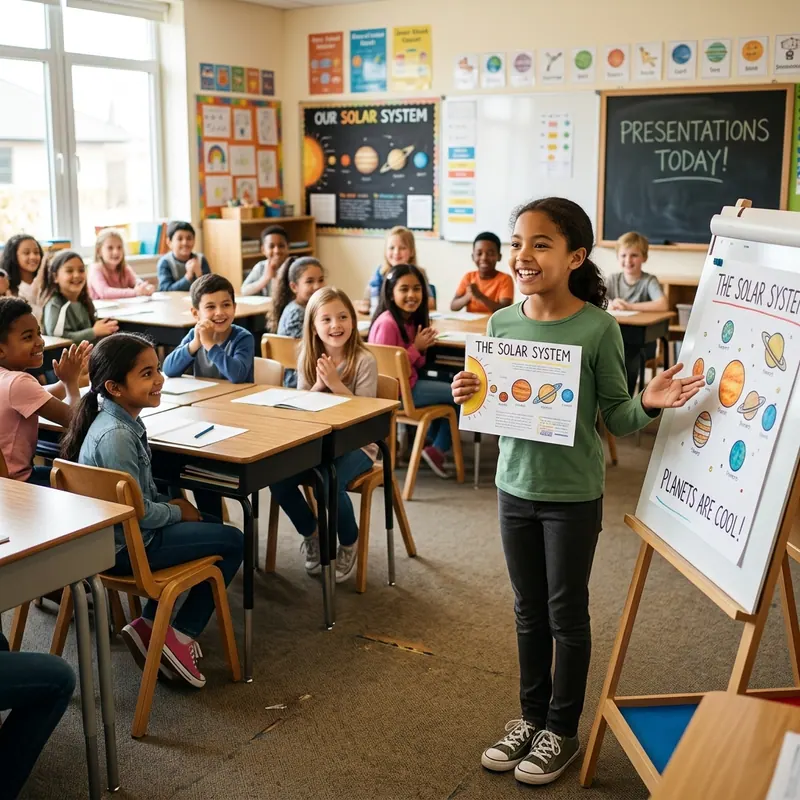
Focus Areas: Expression, descriptive vocabulary, and physical gestures. Younger children present best when describing objects, feelings, and imaginary worlds.
For early primary students, keep topics close to daily life. Visual props (like showing a toy or holding a drawing) help ground their stance and reduce hand fidgeting. Here are 25 easy speech topics for kids in Grades 1–3:
- If animals could talk, what would they say to us? Easy
- My favorite superhero and the secret superpower I want. Easy
- If I lived in a house made entirely of chocolate and candy. Easy
- My favorite toy and why it is my best friend. Easy
- Why my family is my absolute favorite team in the world. Easy
- If I could fly like a bird for a day, where would I go? Easy
- The absolute best and happiest day of my entire life. Easy
- My favorite animal and three reasons why it is super cool. Easy
- If I found a magic wand, what would be my first three wishes? Easy
- The ultimate lego castle I want to build and describe. Easy
- Why sharing my toys makes my playdates twice as fun. Easy
- My absolute favorite game to play outside on a sunny day. Easy
- If dinosaurs suddenly woke up and walked around our town today. Easy
- The funniest face or trick my pet has ever shown me. Easy
- Why winter is the best season (and my favorite games in it). Easy
- If I could change one rule in our house for just one day. Easy
- Why green trees are our best friends and oxygen helpers. Easy
- My favorite cartoon character and what lesson they taught me. Easy
- If I had a tiny, pocket-sized dragon to carry around. Easy
- Why eating green apples and sweet grapes makes me strong. Easy
- The most exciting book I read with my parents. Easy
- What is the one thing that makes me laugh the most? Easy
- If I could pack my bags and travel to the moon. Easy
- My favorite hobby and how I practice it every week. Easy
- The best thing I love about my school classroom and friends. Easy
Grades 4–5 (Ages 9–10) Topics
Focus Areas: Logical transitions, structure, and engaging storytelling. Upper primary students should explain 'why' a point is true rather than just listing facts.
Students in Grades 4–5 can handle basic research. Introduce them to connectors (like "consequently" or "on the other hand") to link their paragraphs smoothly. Here are 25 compelling speech topics for students in Grades 4–5:
- If I could invent a completely new sport, what would the rules be? Easy
- Why reading books every day gives you an unfair advantage in life. Easy
- Should students get to grade their teachers at the end of the term? Intermediate
- If I woke up tomorrow and discovered I was invisible for 24 hours. Easy
- The incredible mysteries of the deep ocean that science hasn't solved. Intermediate
- Why every school should have a mandatory daily recess break. Easy
- The most important lesson my grandparents ever taught me about life. Easy
- If I were elected President or Prime Minister of the country for one year. Intermediate
- Why video games can actually make you smarter if played with discipline. Intermediate
- How plastic bottles are destroying our oceans and what we can do today. Intermediate
- If I could travel back in time and meet any historical figure for dinner. Intermediate
- Why failure on the playground is the first step to winning the championship. Intermediate
- The real reason why dogs are called man's absolute best friend. Easy
- What life will look like in the year 2050 with flying vehicles. Easy
- Why learning to cook simple meals should be taught to all kids. Easy
- The secret power of smiling at someone having a terrible day. Easy
- Should homework be banned on weekends so kids can explore hobbies? Intermediate
- How my favorite sports star overcame huge odds to become a legend. Intermediate
- Why space exploration matters when we have problems on planet Earth. Intermediate
- If I had the power to talk to wild animals in the forest. Easy
- Why learning a musical instrument trains your brain like a muscle. Intermediate
- The funniest thing that ever happened to me in a classroom. Easy
- Why honesty is hard in the moment but saves you from disaster later. Easy
- What makes someone a truly loyal and dependable friend? Easy
- If I could build my dream school, what three subjects would I invent? Easy
Grades 6–8 (Ages 11–13) Topics
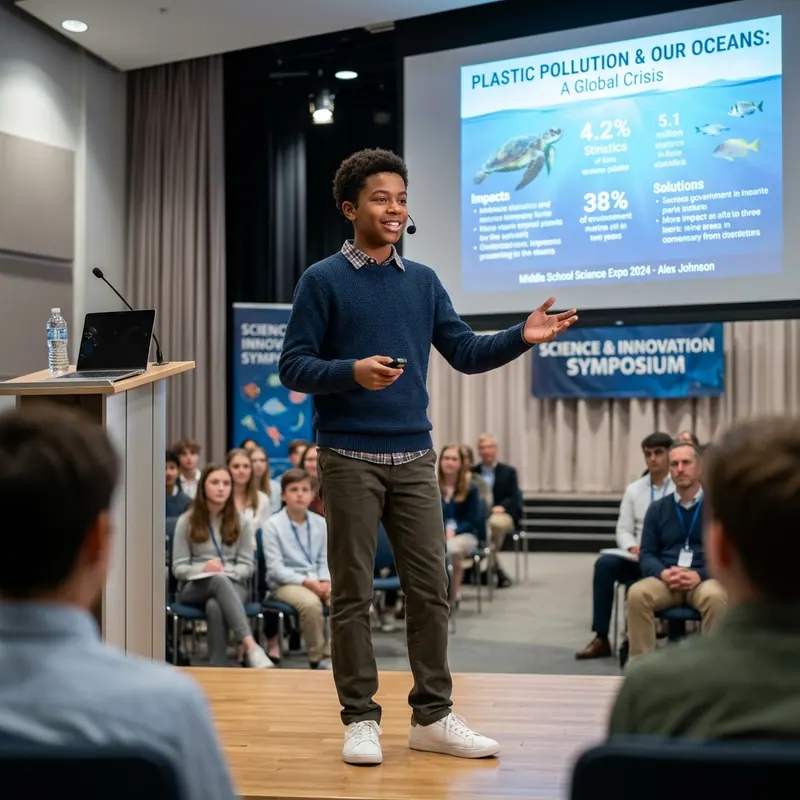
Focus Areas: Critical thinking, counter-arguments, and vocal variety. Middle schoolers thrive when addressing ethical choices, social pressure, and technology.
At this age, introduce the PREP model (Point, Reason, Example, Point). Challenge middle schoolers to anticipate opposing points and refute them calmly. Here are 25 speech topics for students in Grades 6–8:
- Is social media connecting our generation or making us feel completely isolated? Advanced
- Should schools replace traditional paper textbooks entirely with electronic tablets? Intermediate
- The rising danger of cyberbullying and how students can build digital empathy. Advanced
- Why emotional intelligence matters twice as much as academic report card grades. Advanced
- Should students be allowed to participate in school administrative decisions? Intermediate
- The ethics of keeping wild animals in zoos for human entertainment. Advanced
- Why climate change is the defining crisis of our modern generation. Advanced
- Should competitive sports in schools focus on winning or total participation? Intermediate
- The impact of artificial intelligence on future jobs kids will do. Advanced
- Why learning financial literacy should be mandatory before leaving school. Intermediate
- How peer pressure shapes our choices without us even noticing it. Advanced
- Should school days start later in the morning to match adolescent sleep cycles? Intermediate
- The importance of failure: Why perfectionism is harmful to growth. Advanced
- Are video games art, athletic sport, or simple mindless entertainment? Intermediate
- Why mental health awareness should be discussed openly in school classrooms. Advanced
- Should junk food sales be banned within 500 meters of all school campuses? Intermediate
- How reading fiction literature develops deep empathy for different cultures. Intermediate
- The ethics of gene editing: Where should human science draw the line? Advanced
- Why volunteering in community service changes your entire worldview. Intermediate
- Is privacy dead in the modern digital age of tracking algorithms? Advanced
- The power of body language: How posture changes your inner brain chemistry. Intermediate
- Should uniform dress codes be abolished in modern secondary schools? Intermediate
- What true leadership looks like when no cameras or teachers are watching. Advanced
- How fast fashion contributes to massive global pollution and labor issues. Advanced
- Why learning to manage your screen time is the ultimate modern superpower. Intermediate

Grades 9–12 (Ages 14–18) Topics
Focus Areas: Rhetorical devices, ethos, pathos, logos, and pacing. High schoolers should aim to persuade, challenge assumptions, and call listeners to action.
High school orators should aim beyond simple information. They must balance statistical evidence with emotional hooks and memorable metaphors. Here are 25 advanced speech topics for students in Grades 9–12:
- The ethical dilemma of autonomous vehicles: How should an algorithm choose? Advanced
- Why standardized testing measures memorization speed rather than true intellect. Advanced
- The psychology of algorithmic echo chambers and their threat to civil democracy. Advanced
- Should unpaid student internships be legally banned across all commercial industries? Advanced
- The gig economy: Freedom of freelancing or the decline of labor rights? Advanced
- Why space colonization is a moral necessity for the long-term survival of humans. Advanced
- The role of civil disobedience in driving historical civil rights progress. Advanced
- Is universal basic income (UBI) an inevitable response to mass automation? Advanced
- The neurobiology of screen addiction and its measurable effect on deep work. Advanced
- Why every high school curriculum must teach personal taxation and investing. Intermediate
- Why emotional quotient (EQ) matters more than high IQ in business. Advanced
- The rising threat of deepfakes and maintaining trust online. Advanced
- Should the constitutional voting age be globally lowered to 16? Advanced
- The history of public debate: How arguments build civilization. Advanced
- How microscopic plastics have silently entered human tissue. Advanced
- The environmental and ethical costs of the fast fashion cycle. Advanced
- Is individual digital privacy truly dead in the modern world? Advanced
- Why media literacy courses should be a mandatory school graduation requirement. Advanced
- How clean energy grids can achieve stable energy balance. Advanced
- The statistical correlation between screen scrolling and teenage anxiety. Advanced
- Should government anti-trust laws break up monopolistic tech firms? Advanced
- The extreme values of cross-cultural speaking in global groups. Advanced
- How quantum computing models will break modern cryptography. Advanced
- The ongoing historical impacts of historical colonialism on economics. Advanced
- How we define strong ethical leadership in the age of automation. Advanced
Frequently Asked Questions
Empower Your Child with the Superpower of Expression
Make sure your child is prepared for an automated future by building elite communication skills today. At Victory Fluent Forum (VFF), we offer highly interactive online public speaking classes for kids, creative writing, and confidence-building classes.
VFF is a premium communication academy incubated under the prestigious Symbiosis Launchpad 30 startup incubation (SSPU Pune). Led by Lead Academic Mentor Mrs. Simran Bagwan (M.A. English, M.Ed), we turn anxious observers into confident leaders.
Active Pricing Structure (Mon–Fri Daily Classes):
1:5 Group Plan
1:1 Essential Plan
1:1 Intensive Plan
7-Day Dedicated Learning & Commitment Policy
To protect our mentors' premium time, refund claims under our satisfaction policy are strictly conditional. Claims are only valid if the student maintains 100% attendance in the first week and submits all daily creative assignments on time. Serious learners only.