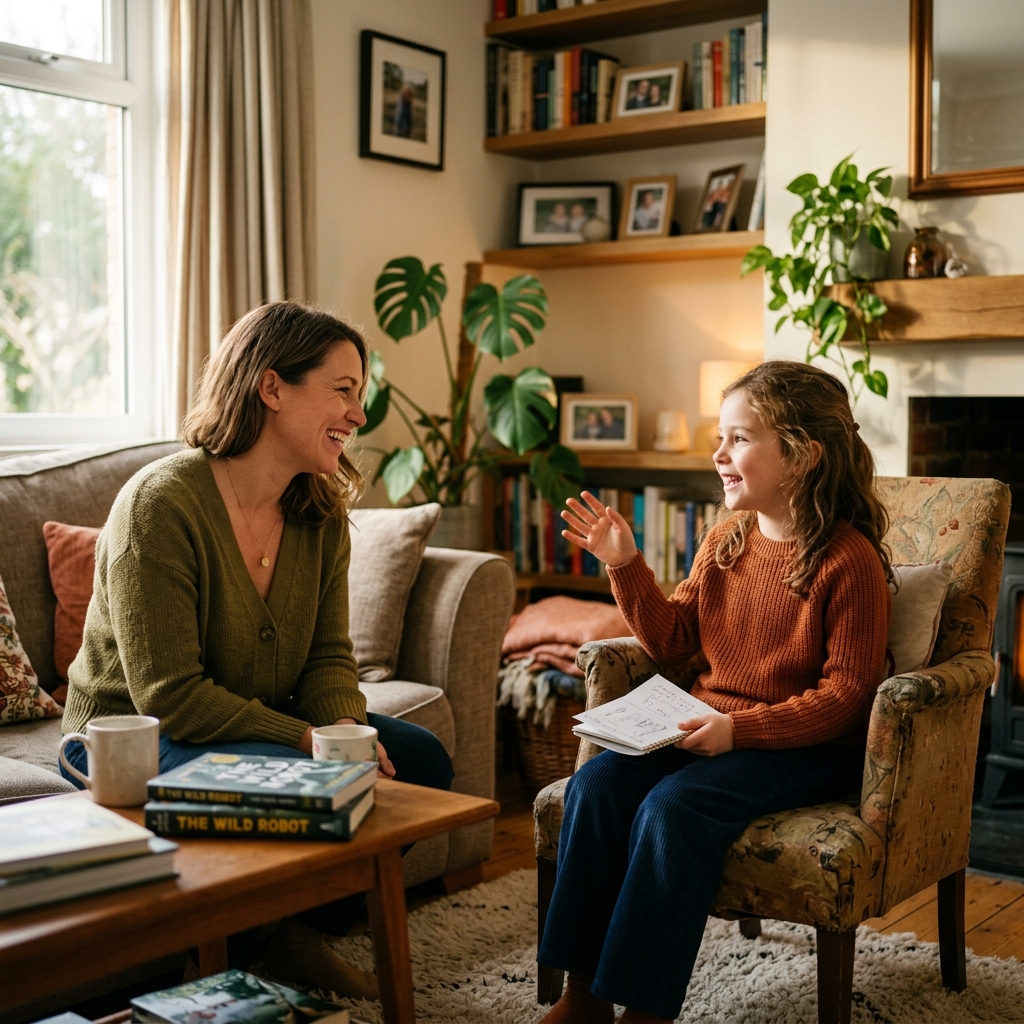
We live in a world that often values extroversion. In K-12 classrooms, group discussions, and team sports, the loudest voice is frequently rewarded and associated with leadership. For an introverted child, this constant pressure to act like an extrovert can be exhausting and damaging to their self-esteem. Introversion is not a character flaw to be corrected; it is a biological, neural preference for lower-stimulation environments. When forced to speak or perform under pressure without proper guidance, quiet children experience intense anxiety. By changing our perspective and focusing on their natural strengths, we can help introverted students build unwavering social confidence and command attention on stage in their own unique way.
At Victory Fluent Forum, we firmly believe in the power of **Quiet Leadership**. Introverts make excellent public speakers and leaders because they possess distinct cognitive advantages. Let's explore the biological difference between introversion and shyness and outline practical strategies to empower your quiet child.
1. Differentiating Introversion from Shyness & Anxiety
A common mistake parents and teachers make is using the terms "shy" and "introverted" interchangeably. However, they represent entirely different psychological concepts:
- Introversion (Energy Processing): Introversion is a temperament trait. Introverts process information deeply and recharge their mental energy by spending time alone or in low-stimulation settings. They are not necessarily afraid of social interaction; they simply find it draining in large quantities.
- Shyness (Social Anxiety): Shyness is a fear of social disapproval, judgment, or humiliation. A shy child desperately wants to connect and speak up but is silenced by fear.
An introvert can stand on stage and speak to hundreds of people with complete confidence, provided they have prepared and value the topic. Forcing an introverted child to become a hyper-talkative extrovert does not build confidence; it causes chronic fatigue and increases performance anxiety. Our goal should be to help them find their voice while honoring their need for quiet reflection.
2. The Unique Strengths of Introverted Communicators
Many of history's most impactful speakers and leaders—including Mahatma Gandhi, Eleanor Roosevelt, and Bill Gates—were introverts. They succeeded because they leveraged three natural strengths:
A. Deep Active Listening and Empathy
Because introverts prefer observing to speaking, they develop excellent listening skills. They notice subtle details in conversation, understand peer emotions, and pick up on audience cues. This empathy allows them to connect with people on a deeper, more personal level.
B. Meticulous Preparation and Logic
Introverts rarely speak without thinking first. They prefer to outline, organize, and edit their thoughts before presenting. This preference for structured preparation leads to highly logical, coherent, and persuasive speeches that avoid empty fluff.
C. Authentic, Conversational Resonance
Extroverted speakers often rely on high-energy gestures and vocal showmanship. Introverts, by contrast, naturally adopt a calm, authentic, and conversational tone. This understated style builds trust (Ethos) with an audience, making their arguments highly credible.
3. Strategies to Build Social Confidence in Quiet Kids
Here are three practical ways parents and teachers can support an introverted student's communication growth:
A. Value the "Think Time" Pause
In conversation, extroverts respond instantly, while introverts require time to process the question. Never rush your child or answer for them. Teach them that it is a sign of confidence to say: *"That's an interesting question. Let me think about that for a second."* This removes the pressure to speak instantly and values their reflective nature.
B. Focus on One-on-One and Small Groups First
Do not throw an introverted child into a large, noisy group to help them "mix." Instead, encourage playdates with one or two friends at a time. This low-stimulation setting allows them to form high-quality connections and practice social skills without feeling overwhelmed.
C. Use Structured Speaking Opportunities
Anxiety in introverts is often triggered by the unstructured nature of social gatherings (where they do not know what to say). Public speaking and debate classes are highly beneficial because they provide a clear structure, rules, and scripts. Knowing exactly what, when, and how to speak gives introverts a sense of control. Parents can schedule a free live trial session to evaluate their child's progress in a supportive environment.
4. Victory Fluent Forum Practical Strategy: The VFF "Quiet Leader" Pitch
At Victory Fluent Forum, we teach a specialized framework called the **Quiet Leader Pitch** to help introverted students make their voices heard in group settings without changing their nature. You can practice this simple exercise at home:
- Step 1: The Active Listening Audit: In a family discussion or classroom group, the child's task is not to speak first. They must actively listen to the other speakers for 3 minutes, taking brief notes of the main points.
- Step 2: The Core Counter-Point: Instead of generating multiple ideas, the child focuses on writing down **one single, high-impact observation** or question that addresses a gap in the discussion.
- Step 3: The Conversational Hook: The child raises their hand and presents their point using the **"Contrast & Deliver"** template:
"I have listened to the points about [Topic]. I think we are missing one key detail: [Insert Observation]. What if we look at it this way?"
This exercise teaches quiet children that leadership is not about speaking the most; it is about speaking at the right time with maximum value. For parents looking to establish gentle, low-pressure speaking habits at home, explore our guide on how to speak English fluently for kids.
5. Conclusion: Celebrating Quiet Authority
Introverted children have a quiet authority that is highly valuable in today's noisy world. Our job as parents and mentors is not to change their quiet nature, but to give them the tools to speak up when it matters. By recognizing their natural strengths of listening, preparation, and authentic resonance, we help them build lasting social confidence, ensuring they can lead and present with authority in any setting.
Empower Your Quiet Child to Lead
Introverts thrive in structured settings. At Victory Fluent Forum (VFF), we provide small daily groups (maximum 1:5 ratio) that give quiet children a supportive space to find their voice.
VFF is a premium communication academy incubated under the prestigious Symbiosis Launchpad 30 startup incubation (SSPU Pune). Led by Lead Academic Mentor Mrs. Simran Bagwan (M.A. English, M.Ed), we turn quiet observers into confident leaders.
Active Pricing Structure (Mon–Fri Daily Classes):
1:5 Group Plan
1:1 Essential Plan
1:1 Intensive Plan
7-Day Dedicated Learning & Commitment Policy
To protect our mentors' premium time, refund claims under our satisfaction policy are strictly conditional. Claims are only valid if the student maintains 100% attendance in the first week and submits all daily creative assignments on time. Serious learners only.